
When you live with chronic inflammation, it can be tempting to search for the “perfect” foods to eat or foods you should completely avoid. Social media and wellness trends often promote certain foods as anti-inflammatory superfoods, while labelling others as inflammatory or harmful.
In reality, there is no single food or snack that will eliminate inflammation on its own.
Instead, research suggests that your overall dietary pattern plays a much more important role.
Snacks are a great opportunity to add more of these foods into your day. Whether you need something between meals, a convenient option while you’re busy, or a snack to help support your energy levels, these ideas can help you build variety into your eating pattern without unnecessary restriction.
What Makes a Snack Supportive of an Anti-Inflammatory Eating Pattern?
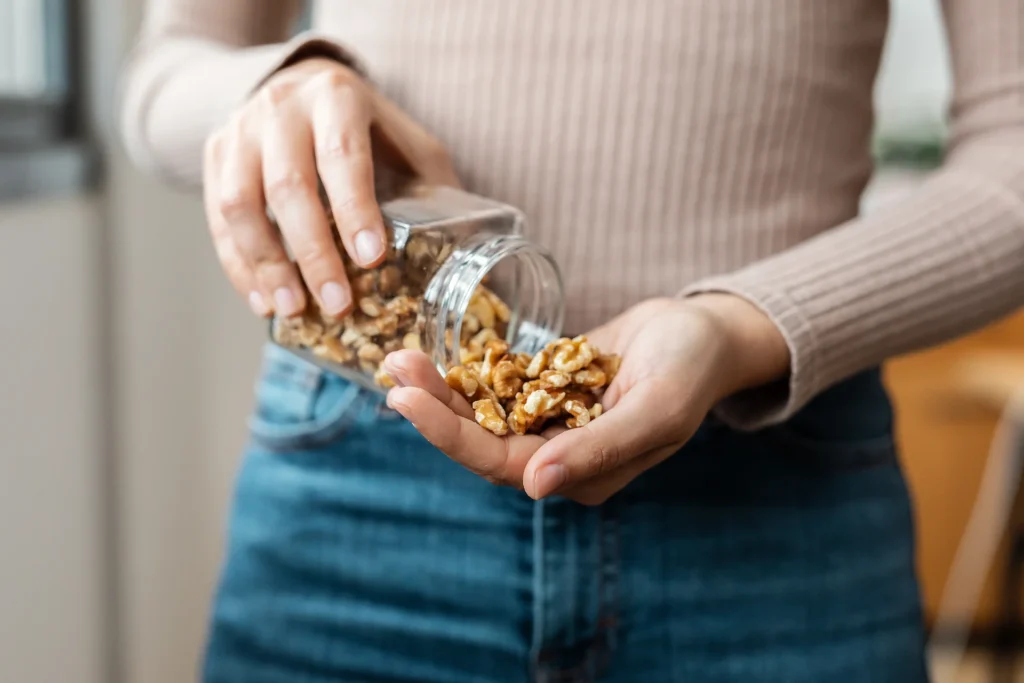
There is no strict formula for an “anti-inflammatory snack”, but many nourishing snack options include foods rich in:
- Fibre, which supports gut health
- Healthy fats, including unsaturated fats and omega-3 fats
- Antioxidants, found in a variety of colourful fruits and vegetables
- Protein, which can help with fullness and maintaining muscle
- Vitamins and minerals, which support overall health and body function
Here are 15 practical ideas.
1. Greek Yoghurt With Berries and Nuts
Greek yoghurt provides protein, while berries contain a variety of antioxidants and fibre. Add a handful of nuts for healthy fats and extra texture.
2. Apple or Pear With Peanut Butter
Fruit provides fibre and a range of vitamins and antioxidants, while peanut butter adds protein and unsaturated fats. This is an easy and convenient snack for home or work.
3. Hummus With Vegetables and Wholegrain Crackers
Hummus is made from chickpeas, which provide fibre and plant-based protein. Pair it with colourful vegetables and wholegrain crackers for a satisfying snack.
4. Wholegrain Crackers With Avocado
Wholegrains provide fibre, while avocado is a source of monounsaturated fats. Add tomato, herbs or a squeeze of lemon for extra flavour.
5. Chia Pudding With Fruit
Chia seeds are a source of fibre and omega-3 fats. Combine them with milk or yoghurt and top with berries, banana or other fruit.
6. A Handful of Nuts and Fruit
A simple combination of nuts and fruit is convenient, portable and requires very little preparation. Try almonds, walnuts or mixed nuts alongside your favourite fruit.
Walnuts are particularly known for their omega-3 fat content.
7. Cottage Cheese With Fruit
Cottage cheese is a convenient source of protein. Pair it with berries, sliced peaches or pineapple for a sweet and satisfying snack.
8. Wholegrain Toast With Nut Butter
Wholegrain bread provides fibre, while nut butter contributes healthy fats and protein. Add sliced banana or berries if you would like something sweeter.
9. Edamame
Edamame is a simple snack that provides plant-based protein and fibre. Enjoy it on its own with a little seasoning or alongside other snack foods.
10. Smoothie With Fruit, Yoghurt and Seeds
A smoothie can be an easy way to include multiple food groups in one snack. Try blending milk, yoghurt, berries, banana and chia or flaxseeds.
For people with increased energy requirements, you could also add oats or nut butter.
11. Tinned Salmon on Wholegrain Crackers
Oily fish such as salmon provide omega-3 fats. Pairing it with wholegrain crackers can create a convenient and nutrient-dense snack.
12. Roasted Chickpeas
Roasted chickpeas are a crunchy alternative to many packaged snack foods and provide both fibre and plant-based protein.
Try seasoning them with herbs and spices such as paprika or cumin.
13. Dark Chocolate and Nuts
Yes, chocolate can absolutely fit into a balanced eating pattern.
Dark chocolate contains naturally occurring plant compounds, while nuts provide healthy fats. Enjoying foods you like can also be an important part of building a sustainable and enjoyable way of eating.
14. Yoghurt With Oats and Fruit
Mix yoghurt with rolled oats, fruit and seeds for a simple snack that includes fibre, protein and a variety of nutrients.
15. A Small Leftover Meal
Snacks don’t need to look a particular way. Leftovers from lunch or dinner can be a convenient and satisfying option.
For example, you might have leftover soup, a small bowl of grain and vegetables, or a wrap from the previous day.
The Bigger Picture Matters Most
While these foods can be included as part of an eating pattern that supports overall health, there is no need to eat perfectly.
You also don’t need to eliminate sugar, dairy, gluten, seed oils or other foods unless there is a specific medical reason for doing so.
For people living with chronic inflammation, restrictive diets can sometimes make eating more stressful and may make it harder to meet your nutritional needs. Instead of focusing on what you need to remove, consider what you can add.
Could you add another serving of fruit to your day? Include more variety in your vegetables? Eat fish more regularly? Add legumes, wholegrains, nuts or seeds?
If you are living with chronic inflammation or a health condition and are unsure how nutrition may support your individual needs, personalised advice can be helpful.