Living with inflammation can feel draining, but the right foods can also be your greatest allies. An anti-inflammatory diet has the power to both heal and harm depending on your daily choices.
This blog explores anti-inflammatory diet foods based on expert dietitian guidance. We’ll uncover what to eat, what to skip, and how to nourish your body for better energy, mobility, and wellness.
What are the best anti-inflammatory diet foods?
Anti-inflammatory diet foods are nutrient-dense ingredients that help reduce chronic inflammation in the body. When eaten regularly, these foods can support joint function, boost energy levels, and promote long-term wellness through improved immune and metabolic health.
Top Anti-Inflammatory Foods to Eat
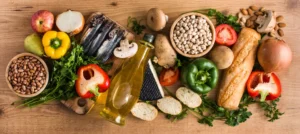
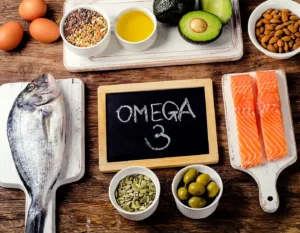
Certain foods naturally combat inflammation by reducing oxidative stress and supporting cellular repair. These powerful ingredients are often rich in antioxidants, omega-3 fatty acids, polyphenols, and other essential phytonutrients that contribute to overall health and disease prevention:
- Fatty fish like salmon, sardines, and mackerel
- Leafy greens such as spinach, kale, and Swiss chard
- Berries like blueberries, raspberries, and strawberries
- Olive oil, especially extra virgin
- Nuts and seeds, especially walnuts and flaxseeds
- Green tea for its anti-inflammatory catechins
- Whole grains like quinoa, oats, and brown rice
- Turmeric and ginger for their natural anti-inflammatory compounds
Incorporating these foods regularly into your meals can reduce systemic inflammation, support your immune system, and lower your risk of chronic diseases like arthritis, heart disease, and diabetes while promoting overall long-term health and vitality.
- Insight: Curious about how phytonutrients support this anti-inflammatory effect? Learn more about their benefits and discover why they’re a vital part of your wellness journey.
Common Inflammatory Foods to Avoid
Some foods can aggravate inflammation, particularly when consumed frequently. Knowing what to avoid is just as important as knowing what to eat:
- Processed meats including sausages and deli meats
- Refined carbohydrates such as white bread and pastries
- Fried foods including chips and fast food
- Sugary beverages like soda and sweetened teas
- Alcohol, particularly in excessive amounts
- Artificial trans fats found in some baked goods and margarine
- Excess red meat, especially when grilled or charred
Limiting these items can significantly improve inflammation markers, ease symptoms of chronic conditions and enhance your overall health. Making conscious dietary choices reduces the burden on your body and supports long-term vitality and wellness.
- Insight: Learn how anti-inflammatory diets are scientifically linked to chronic disease prevention and improved health outcomes. Explore this peer-reviewed study for deeper insights from current research.
Building a Balanced Anti-Inflammatory Plate
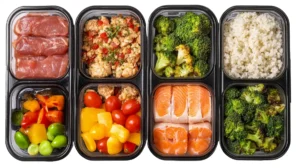
Creating anti-inflammatory meals is all about achieving balance, embracing variety, and focusing on colourful, whole-food ingredients. These foundational principles not only nourish your body but also reduce inflammation. Use the following tips to guide your daily meal planning:
- Fill half your plate with colourful vegetables and fruits
- Add a source of lean protein, preferably plant-based or fish
- Include whole grains for fibre and micronutrients
- Top with healthy fats, like avocado or a drizzle of olive oil
- Flavour with anti-inflammatory herbs and spices like turmeric, garlic, and rosemary
Consistently applying these principles can transform your daily meals into a powerful wellness strategy that reduces inflammation, strengthens your immune response, supports digestive health, and enhances energy—creating a sustainable path to long-term vitality and healing.
- Insight: Looking for meal inspiration to support your anti-inflammatory lifestyle? Explore these expert-approved recipes from the British Heart Foundation to make healthy eating both delicious and healing.
Conclusion: How Anti-Inflammatory Diet Foods Can Transform Your Health
Embracing anti-inflammatory diet foods isn’t about perfection; it’s about consistent, informed choices that support your wellbeing. With each meal, we have the opportunity to reduce inflammation and feel our best.
By eating more of what heals and less of what harms, we empower our bodies to thrive. Begin today with one swap, one recipe, or one colourful plate and feel the difference.
If you would like personalised support incorporating anti-inflammatory foods into your diet, our experienced team of dietitians is here to help. Explore our dietary services and take the next step toward a healthier you.
To learn more about how dietitians guide effective, evidence-based weight loss, check out our blog: The Role of a Dietitian in Weight Loss: What Works, What Doesn’t.