
When it comes to anti-inflammatory nutrition, people often want to know which food is “best”. Is salmon better than sardines? Is fresh fruit better than frozen? Is turmeric better than ginger?
Comparing foods can be useful, but nutrition rarely comes down to one winner. This blog explores common food comparisons and what factors are actually worth considering.
Turmeric vs Ginger
Both turmeric and ginger contain bioactive compounds that have been studied for their potential health effects. However, research on individual compounds or concentrated supplements should not be interpreted as proof that one spice will dramatically reduce inflammation when added to everyday meals.
Salmon vs Sardines
Both are oily fish and provide omega-3 fatty acids. Sardines also provide nutrients such as calcium when the edible bones are consumed.
Rather than choosing one “best” fish, including a variety of seafood can help provide a range of nutrients.
Blueberries vs Strawberries
Both provide fibre, vitamins, minerals and plant compounds. Their nutritional profiles differ, but both can contribute to a varied diet.
There is no need to choose only one. Variety is often the better strategy.
Fresh vs Frozen Fruit
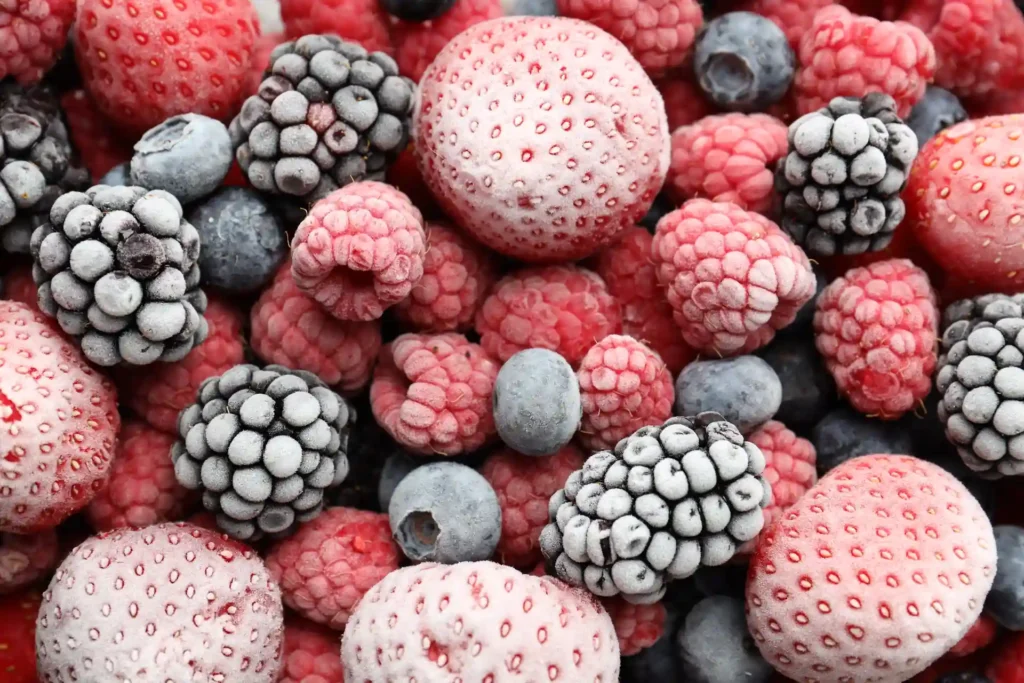
Frozen fruit can be an excellent option and may retain much of its nutritional value. It can also be convenient, affordable and available year-round.
For most people, the important factor is eating fruit regularly rather than worrying excessively about whether it is fresh or frozen.
Olive Oil vs Avocado Oil
Both provide predominantly unsaturated fats. Extra virgin olive oil has been extensively studied as part of Mediterranean-style dietary patterns and also contains a range of bioactive compounds.
Food vs Supplements
Whole foods provide combinations of nutrients, fibre and other compounds that supplements generally do not replicate. Supplements can still have a role when there is a specific nutritional need or evidence-based indication.
What Really Matters?
The most useful question may not be “Which food is the most anti-inflammatory?” but rather “How can I build a dietary pattern that includes a variety of nutritious foods consistently?”
A combination of vegetables, fruit, whole grains, legumes, nuts, seeds, fish, lean proteins and unsaturated fats can provide a strong nutritional foundation.
Conclusion
Food comparisons can be useful, but there is rarely a single winner. The best dietary pattern is one that is nutritious, varied, enjoyable and realistic for your individual circumstances.
If you need help choosing foods or developing an eating pattern around a specific health or performance goal, an Accredited Practising Dietitian at Hills Street can provide personalised guidance.