We’ve seen firsthand how powerful food can be in managing type 2 diabetes—and how confusing it can feel at first. With one Australian diagnosed every five minutes (1), and over 1.3 million already living with the condition (2), it’s something we support clients with every day.
In this blog, we’ll guide you through the best foods for type 2 diabetes—based on proven nutrition principles and practical experience. Whether you’re newly diagnosed or ready to take control, we’ll show you simple, sustainable ways to feel empowered at every meal.
What Are the Best Foods for Type 2 Diabetes?
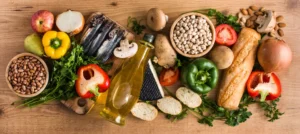
The best foods for type 2 diabetes support stable blood sugar, reduce inflammation, and promote long-term wellness. They include low-GI whole foods, lean proteins, fibre-rich vegetables, and healthy fats. Prioritising these foods can improve energy, mood, and metabolic health.
Understanding How Food Affects Type 2 Diabetes
The link between diet and type 2 diabetes is undeniable. Every meal impacts blood sugar, insulin response, and inflammation levels.
- High-GI foods like white bread and sugary snacks spike glucose levels
- Low-GI foods like legumes and whole grains release sugar slowly
- Fibre slows digestion and moderates sugar absorption
- Lean proteins and healthy fats help sustain satiety and reduce glucose swings
Making intentional food choices is a powerful tool. Knowing how your plate influences your condition gives you the confidence to manage diabetes with purpose and clarity.
Top 10 Best Foods for Type 2 Diabetes
These nutrient-dense foods offer powerful, science-backed benefits for managing type 2 diabetes, helping to regulate blood glucose, reduce inflammation, and support overall health when enjoyed as part of a balanced, sustainable diet:
- Leafy greens: Spinach, kale, and silverbeet are low in carbs and high in fibre
- Berries: Blueberries and strawberries are packed with antioxidants
- Whole grains: Oats, quinoa, and barley improve gut health and glucose control
- Legumes: Lentils and chickpeas provide fibre, protein, and steady energy
- Fatty fish: Salmon and sardines support heart health and reduce inflammation
- Nuts and seeds: Almonds and chia seeds stabilise blood sugar
- Greek yoghurt: High in protein and low in sugar
- Avocados: Rich in healthy fats and fibre
- Sweet potatoes: A low-GI alternative to regular potatoes
- Olive oil: Anti-inflammatory and heart-healthy
Adding these foods regularly to your meals supports better glycaemic balance, enhances insulin sensitivity, and helps reduce the risk of long-term complications associated with type 2 diabetes, such as heart disease and neuropathy.
Foods to Avoid or Limit with Type 2 Diabetes
Equally vital to including diabetes-friendly foods is recognising which choices may harm your progress. Understanding what to limit is key to reducing glucose spikes and managing type 2 diabetes more effectively every day.
- Sugary drinks: Soft drinks and fruit juices spike blood sugar fast
- Refined carbs: White bread, pastries, and processed snacks raise glucose quickly
- Trans fats: Found in some baked goods and fried foods, they worsen insulin resistance
- High-sodium foods: Linked to hypertension, a common diabetes complication
- Processed meats: Sausages and deli meats increase inflammation risk
By limiting these high-risk foods, we reduce glucose spikes, ease the workload on insulin regulation, and actively protect long-term heart health—a critical concern for those managing type 2 diabetes.
- Insight: Research reveals a strong link between ultra-processed foods and increased type 2 diabetes risk. Learn how small dietary shifts could make a big difference in this new Lancet study: Ultra-processed foods and type 2 diabetes: more fundamental research is needed
Smart Food Shopping and Reading Labels
Making good choices starts at the supermarket. Knowing how to read food labels is a dietitian-approved skill that helps us avoid hidden sugars and additives. Our food label guide explains how to spot misleading packaging claims and focus on real nutritional value.
Look for:
- Low added sugar and sodium
- High fibre and protein content
- Short, recognisable ingredient lists
Shopping smartly empowers consistent daily decisions that directly support your diabetes goals by helping you avoid high-sugar pitfalls, prioritise nutrient-rich choices, and feel confident in your ability to manage your condition effectively.
- Bonus Resource: Understanding food labels is essential for managing type 2 diabetes and avoiding hidden sugars. Learn how to decode packaging like a pro in our dietitian’s guide to reading food labels: How to Read Food Labels Like a Dietitian: Avoid the Traps, Embrace the Facts
Eating Well on a Budget
Healthy eating doesn’t need to break the bank. This budget-friendly guide shows how to plan meals around affordable, nutritious staples.
- Buy in bulk: Oats, lentils, and frozen vegetables stretch your dollar
- Cook at home: Reduces sodium and sugar
- Plan ahead: Minimises waste and maximises value
You can nourish your body, maintain steady blood sugar levels, and stay financially balanced by using smart meal planning, choosing affordable staples, and prioritising health without compromising your budget.
- Bonus Resource: Eating well with type 2 diabetes doesn’t have to be expensive. Discover smart, budget-friendly food strategies in our dietitian-approved tips for healthy eating on a budget: Dietitian Tips for Healthy Eating on a Budget: Smart Choices, Real Struggles
Anti-Inflammatory Foods and Type 2 Diabetes
Chronic inflammation is a major contributor to insulin resistance. Our anti-inflammatory foods blog outlines how certain foods reduce systemic inflammation and support better blood sugar levels.
Key anti-inflammatory picks include:
- Berries
- Fatty fish
- Olive oil
- Leafy greens
- Turmeric and ginger
Integrating these anti-inflammatory foods into your daily diet helps reduce chronic inflammation, enhance your body’s insulin response, and support more stable blood sugar levels—key components in managing type 2 diabetes successfully.
- Bonus Resource: Reducing inflammation is vital for managing type 2 diabetes, and your food choices play a major role. Explore practical strategies and evidence-based tips in our anti-inflammatory foods guide to learn more: Anti-Inflammatory Diet Foods: What to Eat and Avoid According to Dietitians
The Role of a Dietitian in Diabetes Management
Working with a dietitian offers personalised guidance. In our blog on weight loss, we share how dietitians help tailor strategies to individual needs, preferences, and health goals.
Benefits include:
- Customised meal planning
- Behavioural coaching
- Ongoing motivation and accountability
Partnering with a professional dietitian transforms your relationship with food by offering expert, evidence-based strategies, practical meal support, and long-term accountability—empowering you to achieve lasting success in managing type 2 diabetes.
- Bonus Resource: Confused by weight loss advice? A dietitian can cut through the noise with personalised, evidence-based support. Learn how expert guidance leads to real results in our blog on the role of a dietitian: The Role of a Dietitian for Weight Loss: What Works, What Doesn’t
Conclusion: The Best Foods for Type 2 Diabetes Matter
When it comes to managing type 2 diabetes, food is a powerful ally. By choosing nutrient-rich options and avoiding hidden sugar traps, we build a path toward more stable energy, clearer thinking, and fewer complications.
If you’re unsure where to begin or need tailored guidance, partnering with a professional dietitian can give you the clarity and support you need. We’re here to help you make confident food choices that support your diabetes journey. Learn more about how we can work together.