Living with an injury or immobilisation can feel frustrating, especially as your muscles start to weaken. But the right strategies can help preserve strength, function and overall health.
This blog explores how to manage muscle loss during immobilisation using guidance informed by nutrition and exercise physiology. We’ll cover what to do, what to avoid, and how to nourish your body to maintain muscle and support recovery.
What Is Muscle Loss During Immobilisation?
When a limb or joint is immobilised due to injury, surgery or illness, muscle fibres can begin to shrink in size and strength, a process called muscle atrophy. This can happen surprisingly quickly, often within days of limited movement. Without intervention, muscle loss can lead to reduced mobility, slower recovery and longer rehabilitation times.
Key Strategies to Minimise Muscle Loss
Muscle loss can be slowed or prevented with a combination of nutrition, gentle movement where appropriate, and recovery strategies.
The following approaches are supported by evidence-based guidance.
Nutrition for Muscle Preservation
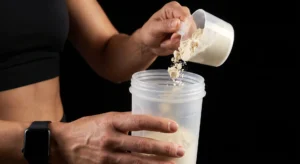
Muscle tissue needs protein and energy to maintain mass. During immobilisation, your protein requirements may increase to help counteract atrophy. Key tips include:
- Prioritise high-quality protein such as lean meats, poultry, fish, eggs, Greek yoghurt, tofu and legumes
- Distribute protein evenly across meals to maximise muscle protein synthesis
- Include omega-3 fats from foods such as oily fish, flaxseed, chia and walnuts, which may support muscle metabolism
- Maintain energy intake, as significant calorie restriction can accelerate muscle loss
Insight: Protein isn’t just for bodybuilders. During immobilisation, it can play an important role in protecting muscle and supporting recovery as part of a broader plan for health and rehabilitation available through Hills Street.
Gentle Movement and Resistance
Gentle exercise is important for reducing muscle loss during immobilisation caused by injury, surgery or inactivity. When muscles are not used, they quickly undergo atrophy due to reduced mechanical loading, decreased protein synthesis and increased protein breakdown, leading to declines in strength and function.
Low-intensity exercises provide enough stimulus to help maintain muscle tissue. Isometric contractions are especially useful when movement is limited, as they allow muscles to produce force without joint motion. This helps preserve muscle activation and supports protein synthesis.
Passive and assisted range-of-motion exercises may improve circulation, promoting oxygen and nutrient delivery while helping to prevent stiffness and joint contractures. Neuromuscular electrical stimulation can also be used to trigger muscle contractions when voluntary movement is not possible.
Overall, early and controlled gentle exercise helps slow muscle atrophy, maintain neuromuscular connections and improve recovery outcomes during periods of immobilisation. In some cases, this may sit alongside treatment and rehabilitation support from physiotherapy, depending on the nature of the injury.
Recovery and Lifestyle Factors
Immobilisation can be stressful on the body, so supporting overall health is essential:
- Sleep: Adequate rest supports tissue repair and recovery
- Hydration: Helps maintain metabolism and nutrient delivery
- Anti-inflammatory foods: While not directly preventing atrophy, nutrient-dense foods like leafy greens, berries and oily fish can support recovery
These everyday habits often seem simple, but together they can make a meaningful difference to how well the body copes with reduced mobility.
Common Pitfalls to Avoid
Certain habits can accelerate muscle loss:
- Prolonged inactivity without any muscle engagement
- Skipping protein or not meeting daily energy needs
- Over-restricting calories during recovery
- Ignoring professional guidance on safe exercises
Insight: Muscle atrophy is a natural response to disuse, but lifestyle and dietary choices can help slow the process and support better rehabilitation outcomes.
Building a Recovery-Focused Plan
To minimise muscle loss during immobilisation, focus on these principles:
- Include protein-rich foods in every meal and snack
- Engage muscles safely through isometric or assisted exercises
- Prioritise sleep, hydration and nutrient-dense foods
- Gradually reintroduce movement as advised by your healthcare team
Insight: Small, consistent steps can make a huge difference in preserving strength and function and can ultimately support a smoother return to activity. For people needing a more individualised approach, a combination of movement therapy, nutrition support and other health services may be helpful.
Conclusion: Protecting Muscle During Immobilisation
By focusing on nutrition, safe muscle activation and healthy lifestyle habits, you can limit atrophy and maintain function even during periods of reduced mobility.
If you would like personalised support to preserve muscle during immobilisation or recovery, the team at Hills Street can help. Support from dietitians and exercise professionals can make it easier to build a strategy that fits your needs, and you can get in touch when you’re ready to take the next step.