NDIS/Workers Comp/Third Party
Children often partake in lots of physical activity both at school and on the weekends. It is not uncommon for children to participate in 2-3 sports at any one time, in addition to running around at school. This high level of physical activity can place load on developing structures in the body. Fortunately, children are quite flexible and always growing, enabling their bodies to heal relatively quickly.
‘Growing pains’ is a common term used for symptoms experienced by a child or adolescent during, or immediately following a growth spurt. The mechanism of this painful and sometimes debilitating condition is related to soft tissue (muscles, tendons, ligaments and nerves) becoming stretched and overextended as a result of new skeletal (bone) growth.
It is important that these injuries are identified and diagnosed early in order to maintain or return to their physical activity levels. It is our job to make sure we get them back to what they love doing in a safe and timely manner.
Common Children/Adolescents Presentations We Manage:
- Sever’s disease
- Osgood Schlatter’s disease
- Sinding-Larsen-Johansson disease
- Scheuermann’s disease
- Osteochondritis dissecans
- Perthe’s disease
- Growth plate fractures
- Shin splints
Management Principles and Treatment Modalities
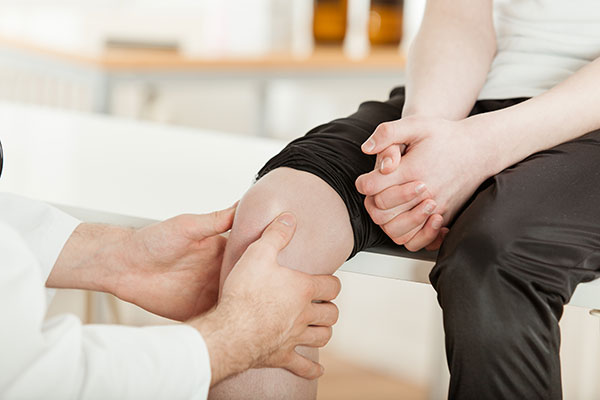
- Assessment: we perform a thorough assessment to identify the source and cause of the pain. This includes a detailed history and physical examination, as well as an in-depth biomechanical analysis. We also examine above and below the area of concern.
- Education: we educate your child on their diagnosis, the nature of the injury and what to expect, and utilise anatomy programs to assist with their understanding of the injury.
- Manual Therapy/Strengthening: we utilise a combination of manual therapy, soft tissue massage, stretching, and range of motion exercises to manage pain and restore movement. This is accompanied by a strengthening/proprioception program to build functional strength and stability.
- Home Exercise Program: we utilise the Physitrack app that allows us to provide you with a tailored home-based exercise program. This technology allows us to send videos or printouts to your email to follow along at home.
- Sports/Functional Modifications: with these sorts of injuries it can be important to manage training/sports load to allow things to settle if necessary.
- Orthotics/Taping (if required): we may utilise orthotics and taping as an adjunct to our treatment to improve biomechanics and provide pain relief while we get you stronger and more stable.
Our Unique Advantage
Our unique advantage is our collaborative multidisciplinary team. We are fortunate to have Physiotherapists, Exercise Physiologists, Orthopedic Specialists, Massage Therapists, and Psychologists, who all work under one roof. This allows us to closely work together to provide our patients with a true collaborative management plan addressing all Biopsychosocial factors. This allows our patients to get access to the leaders in their fields to ensure they get the best care possible.
In addition to this, we have access to an extensive range of specialist equipment in our onsite functional rehabilitation centre. Our fully equipped and functional rehabilitation gym houses specialist equipment which is specific to the rehabilitation of certain injuries. With 35 years of excellent service on the Central Coast, Hills Street Sports Medicine is one of the longest established multi-discipline Sports Medicine Centres in Australia.
Get the Support You're Entitled To
NDIS funding, workers' compensation, third party claims. We'll help you navigate the system and secure your benefits.
Frequently Asked Questions
Yes, all our practitioners are NDIS (National Disabilities Insurance Scheme) qualified and trained. We accept and care for all NDIS clients and work towards providing a service that will effectively attend to physical, social and emotional goals.
A functional focus on ADL’s (Activities of Daily Living) is a priority, whilst promoting independence and improving or maintaining current capacity. We create personalised programs to support your physical, emotional, and functional goals.
Yes, we provide service agreements, progress reports and regular contact with support or primary carers when necessary or requested.
Yes, all workers compensation and third party claims are accepted and are treated just like private patients.
Yes, all programs come with approval from the appropriate bodies (such as AHRR for Work Cover) ensuring you receive approved, quality care.
We regularly work with clients managing spinal cord injuries, MS, amputations, learning disabilities, PTSD, TPI and more.